What is Third Party Logistics Providers and How Do They Work?
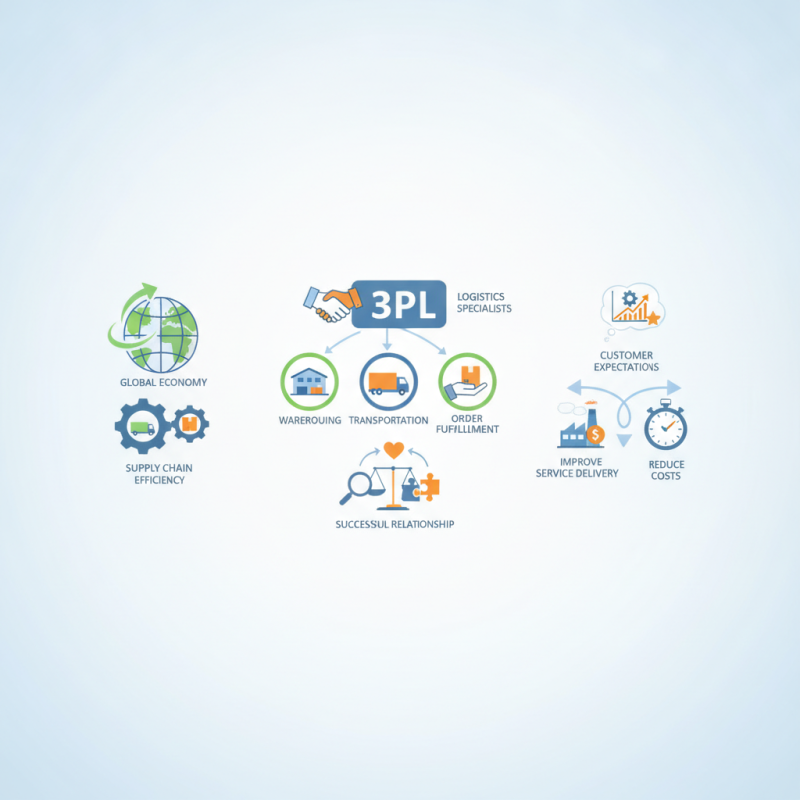
In today’s fast-paced global economy, businesses often seek efficiency in their supply chains. Third Party Logistics Providers (3PL) play a crucial role in helping companies manage logistics complexities. Their expertise can significantly reduce costs and improve service delivery. According to Dr. Jane Smith, a leading expert in logistics, “Utilizing Third Party Logistics Providers enables businesses to focus on their core competencies while leaving logistics to the specialists.”
These providers offer services like warehousing, transportation, and order fulfillment. By outsourcing these functions, companies can streamline operations and adapt quickly to market changes. However, the reliance on Third Party Logistics Providers is not without challenges. Companies must ensure they choose trustworthy partners. Miscommunication and lack of integration can lead to inefficiencies.
In a landscape where customer expectations are soaring, understanding how Third Party Logistics Providers operate is essential. Businesses must evaluate their own needs and ensure they align with those of their 3PL partners. This alignment is key to fostering a successful relationship that benefits both parties.
What are Third Party Logistics Providers?
Third Party Logistics Providers (3PL) are crucial in modern supply chain management. They handle various logistics tasks, including warehousing, transportation, and inventory management. By outsourcing these functions, businesses can focus on their core activities. 3PLs often have extensive networks that can lead to cost and time savings.
Using a 3PL can improve efficiency. They own advanced technology for tracking shipments and managing stock. This means businesses can access real-time updates, enhancing transparency. However, companies should consider their specific needs. Not every 3PL is a perfect fit for every business.
Tip: Evaluate potential providers carefully. Look for experience in your industry and client testimonials. Reliable partners have a deep understanding of logistics challenges.
3PLs can help scale operations. They offer flexibility, allowing businesses to adjust capacity based on demand. But partnering with the wrong provider can result in headaches. Miscommunication and lack of integration can disrupt operations.
Tip: Establish clear communication channels from the start. Regular check-ins can ensure alignment and address any issues promptly. Building a solid partnership takes time and effort.
Key Functions of Third Party Logistics Providers
Third-party logistics providers (3PLs) play a vital role in modern supply chains. They handle various logistics functions, enabling businesses to focus on their core operations. According to a report by Technavio, the market for 3PL services will exceed $1 trillion by 2025. This growth demonstrates the increasing reliance on 3PLs.
One key function of 3PLs is warehousing. They offer storage facilities that help manage inventory effectively. A well-organized warehouse can improve delivery times and reduce costs. Many providers also utilize advanced technology for inventory management. However, reliance on technology introduces risks, such as system outages. These disruptions can impact service levels.
Transportation management is another critical function. 3PLs coordinate the movement of goods with various carriers. They optimize routes and negotiate rates, which saves money for companies. Research from Armstrong & Associates shows that transportation costs can account for nearly 60% of logistics expenses. Businesses must evaluate whether the cost savings outweigh potential issues with service disruptions or delays.
3PLs also provide value-added services like packaging, assembly, and kitting. These services can enhance product offerings and simplify operations. However, the effectiveness of these services varies by provider. Companies should research and select a partner that aligns with their operational needs and challenges.
Key Functions of Third Party Logistics Providers
How Third Party Logistics Providers Operate
Third Party Logistics Providers (3PLs) play a crucial role in modern supply chains. They handle various logistics tasks for businesses, allowing them to focus on core operations. These providers manage transportation, warehousing, and distribution. Their expertise helps businesses streamline operations and improve efficiency.
3PLs operate by integrating technology with logistics services. They use advanced software for inventory management and tracking shipments. This data-driven approach enhances visibility throughout the supply chain. However, reliance on technology can create challenges. Technical failures may disrupt operations, highlighting the need for contingency plans.
Collaboration is vital in the 3PL model. Providers must understand their clients’ unique requirements. They tailor services to meet specific logistics needs. Yet, communication can sometimes fall short. Misunderstandings may arise, resulting in delays or inefficiencies. It’s essential for businesses to maintain open dialogue with their 3PL partners to ensure success.
Benefits of Using Third Party Logistics Providers
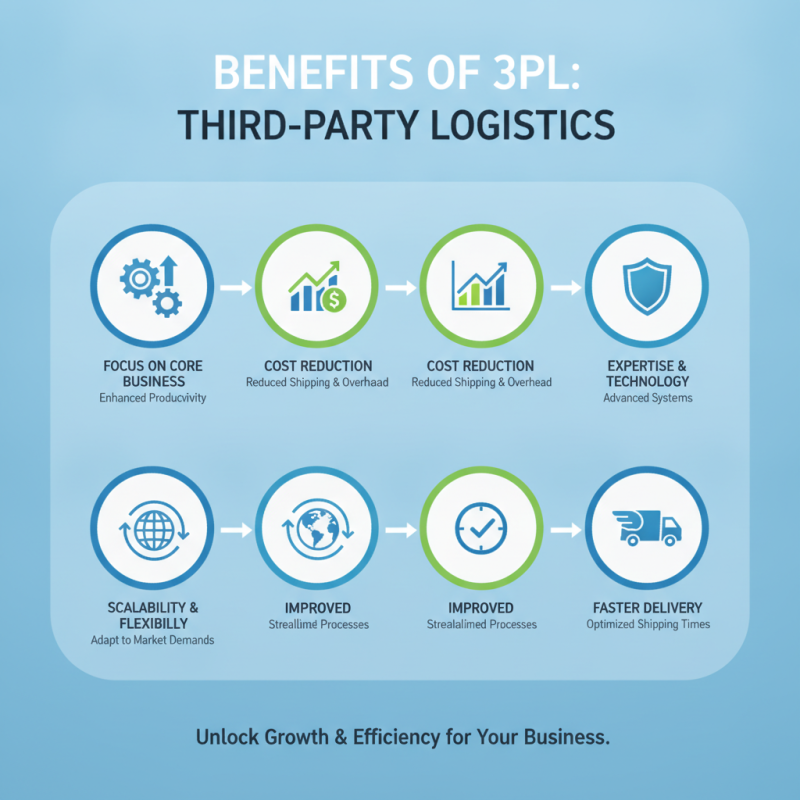
Third Party Logistics Providers (3PLs) offer significant benefits that make them an attractive option for businesses. By outsourcing logistics, companies can focus more on their core operations. This shift helps in enhancing productivity and efficiency. Additionally, 3PLs have expertise in supply chain management. They utilize advanced technology and systems to streamline processes. This integration can reduce shipping times and costs.
Cost savings are another advantage. Maintaining a full logistics operation is expensive. 3PLs provide flexible pricing models that adapt to a company’s needs. This flexibility means businesses can scale their logistics operations according to demand. However, it may lead to dependency on third parties. Companies might struggle if a 3PL fails to meet service level agreements.
Overall, using a 3PL can improve customer satisfaction. Timely deliveries can enhance a company’s reputation. Yet, there’s a risk involved. Not all 3PLs offer the same level of service. It’s critical to research and select a reliable partner. Building a solid relationship with a 3PL can be beneficial, but it requires effort and trust.
Challenges Faced by Third Party Logistics Providers
Third Party Logistics Providers (3PL) play a crucial role in supply chain management. However, they face various challenges that impact their operations. One prominent issue is the increasing demand for faster delivery times. Customers expect quick service, pressuring providers to optimize their logistics networks. This often leads to limited room for error, which can compromise quality control.
Another challenge involves technology integration. Many 3PLs struggle with incorporating advanced software and tracking systems efficiently. This can result in inconsistencies in real-time inventory data. Such discrepancies affect customer trust and satisfaction. Finding skilled workers remains an ongoing hurdle too. The logistics industry faces talent shortages, making it difficult to recruit and retain experienced personnel.
Finally, compliance with regulations poses a complex challenge. Adapting to new laws and industry standards demands continual learning and adjustment. Providers must remain vigilant, as failure to comply can lead to significant penalties. This landscape requires flexibility and a willingness to evolve, as the logistics industry continues to adapt to new trends and customer demands.