
How to Choose a Logistic Provider for Global Shipping?
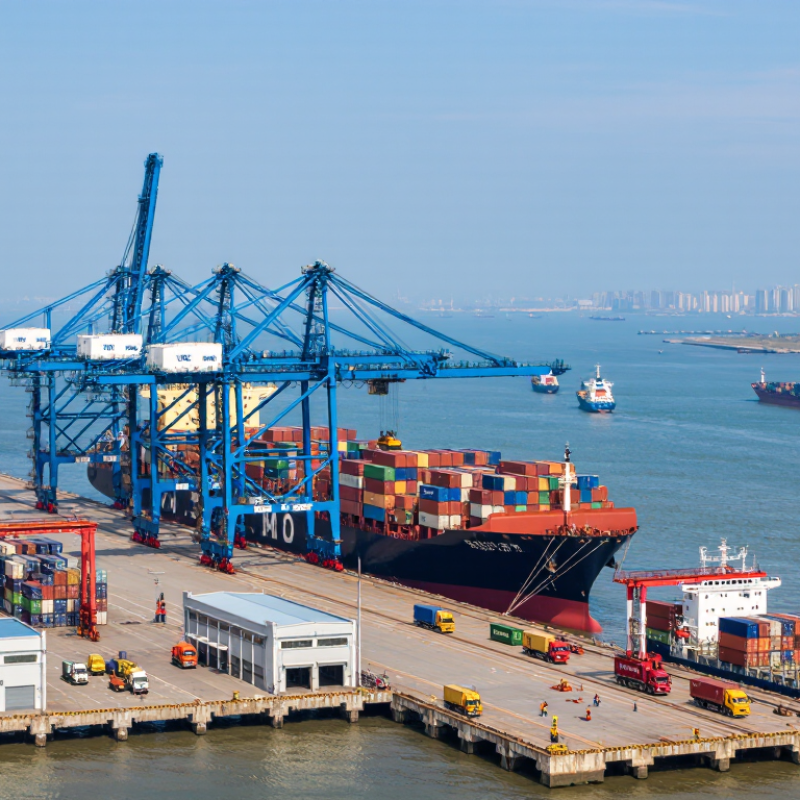
Global shipping can look simple on a screen: one booking, one tracking number, and a delivery date. Behind that screen, a container may cross several ports, transfer between vessels, and wait for clearance or onward transport. Small delays can quickly affect inventory, production, and customer promises.
The scale is substantial. UNCTAD’s Review of Maritime Transport 2024 reports that more than 80% of world trade by volume is carried by sea. Choosing a Logistic Provider is therefore not just a rate comparison. It is a decision about network coverage, shipment visibility, dependable transit estimates, problem escalation, and clear cost breakdowns. Martin Christopher, Emeritus Professor of Marketing and Logistics at Cranfield School of Management, writes: “The mission of logistics management is to plan and coordinate all those activities necessary to achieve desired levels of delivered service and quality at lowest possible cost.” His framing is useful, but no single metric tells the whole story.
A low quote may exclude services your shipment actually needs. A polished tracking page may still leave you without a useful answer when a connection is missed. This guide outlines practical questions for comparing providers, checking their experience on your trade lanes, and assessing how they handle disruptions. It also leaves room for a less comfortable truth: even a capable provider cannot remove every delay. The goal is informed selection, not a promise of perfect shipping.
Define Your Global Shipping Requirements
How to Choose a Logistic Provider for Global Shipping?
Define Your Global Shipping Requirements
Before comparing providers, map where orders start and end. List destination countries, expected monthly parcel count, average package dimensions and weights, and seasonal peaks. A box measuring 30 by 20 centimeters may be inexpensive by weight but costly under dimensional pricing. Be specific. Note whether customers need home delivery, pickup points, or a signed receipt.
Set service expectations by product and market. Record acceptable transit windows, tracking milestones, delivery confirmation, and support response times when tracking stops updating. Separate urgent orders from routine replenishment; one service level rarely fits both. Define what “on time” means for your business, including weekends and local holidays. Your first forecast may be wrong, so leave room to revise it using several months of shipment data.
Document operational needs before requesting proposals. Identify who prepares commercial invoices, verifies product descriptions and declared values, and handles destination-specific paperwork. Agree how duties, taxes, failed deliveries, address corrections, and returns will be managed. Ask for sample tracking updates and a clear escalation route, then test them with a small shipment. Keep records of damage rates and delivery exceptions. A polished quote can still hide service gaps. Compare identical routes, parcel profiles, and service assumptions across proposals; otherwise, precise-looking prices may not be comparable.
How to Choose a Logistic Provider for Global Shipping? – Define Your Global Shipping Requirements
| Requirement Area | What to Define | Example Planning Requirement | What to Verify with a Provider |
|---|---|---|---|
| Destination markets | Countries and regions served, including expected growth markets. | Ship regularly to 8 countries across North America, Europe, and Asia-Pacific. | Coverage by destination, local delivery options, service restrictions, and any remote-area surcharges. |
| Shipment profile | Typical parcel and freight weights, dimensions, shipment frequency, and seasonality. | About 400 parcels per month, usually 1–5 kg each, with higher volume in peak periods. | Capacity, dimensional-weight rules, volume thresholds, and peak-season handling plans. |
| Delivery speed | Required transit times and acceptable delivery windows by destination and service level. | Offer an express option for urgent orders and an economy option for less time-sensitive shipments. | Transit-time estimates, how they are measured, delivery performance data, and exceptions for customs or remote locations. |
| Product and handling needs | Product type, packaging, fragile or temperature-sensitive handling, and restricted-goods considerations. | Non-hazardous consumer goods; some items require cushioning and protection from moisture. | Packaging standards, prohibited-item rules, handling capabilities, and any required product documentation. |
| Customs and duties | Who prepares export and import documents, pays duties and taxes, and responds to customs requests. | Provide accurate product descriptions, declared values, and tariff classification information for each shipment. | Customs brokerage options, data requirements, duty-and-tax billing methods, and support for clearance delays. |
| Shipping terms and cost ownership | Decide which party is responsible for transport, insurance, import clearance, duties, and taxes under the agreed trade terms. | Set a consistent shipping-term policy for each sales channel and destination. | Clear written pricing for transportation, fuel, handling, brokerage, duties, taxes, and other surcharges. |
| Tracking and integrations | Required tracking visibility, shipment notifications, reporting, and connections to order or warehouse systems. | Provide tracking events from pickup through delivery and downloadable shipment reports. | Tracking-event coverage, integration options, data frequency, and support for delivery exceptions. |
| Returns and claims | Return destinations, customer return labels, damaged or lost shipment procedures, and claim deadlines. | Offer a documented returns process for the main sales markets and define who pays return transport. | Return options, claim documentation, filing time limits, liability terms, and resolution processes. |
| Budget and billing | Target shipping spend, acceptable rate changes, currency needs, and invoice detail requirements. | Compare total landed shipping costs across service levels, not just the base transport rate. | Rate validity, billing frequency, invoice itemization, adjustment rules, and payment terms. |
| Performance and support | Service targets, escalation contacts, operating hours, and the reporting cadence needed to manage performance. | Review delivery performance and unresolved exceptions at least monthly. | Service-level definitions, reporting methodology, support response channels, and escalation procedures. |
Example requirements are for planning purposes. Confirm service availability, costs, customs rules, and delivery estimates for each route and product before contracting.
Related Posts
-
What is Third Party Logistics Providers and How Do They Work?
-

What is Railway Freight and How Does it Impact Global Trade?
-

How to Optimize Container Transport for Maximum Efficiency?
-

How to Choose the Best International Transportation Options?
-

Top Railway Freight Trends to Watch in 2025 for Efficient Transport Solutions
-

Top Third Party Logistics Providers for Global Shipping?